
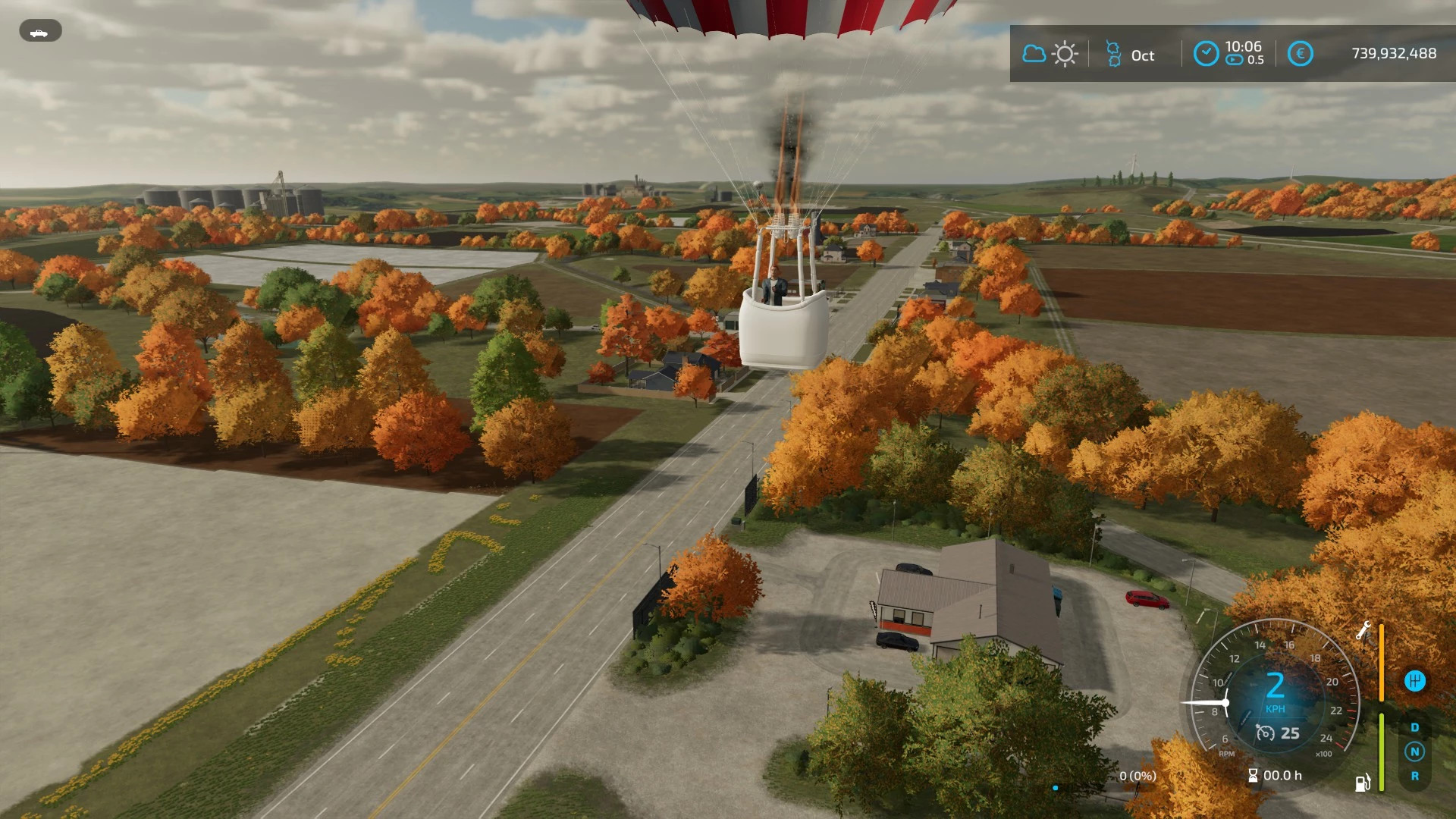
Throughout the British countryside, from the rolling fields to the thick woodlands, something quiet is evolving in the way hunters ready themselves. The iconic image of a figure remaining motionless in a blind is now frequently accompanied by a small, glowing screen. A new pastime has taken root during those extended hours of waiting: mobile slot gaming. This blend of old tradition and new technology appears evidently in the rising use of games like the Balloon Boom slot. For hunters from the Scottish Highlands to the Devon moors, those still hours of anticipation have discovered a new rhythm. Downtime is no longer just about stillness and watching. It has developed into a chance for a mental distraction, a way to hold the mind active without disturbing the meticulous stillness a successful hunt necessitates. This new habit is gently reshaping the feel of the hunt itself.
Balloon Boom Slot Slot: A Great Choice for a Blind
The unique structure of Balloon Boom makes it an unexpectedly great fit for the blind. Different from games with complex stories or advanced tactics, a slot machine operates on simplicity and immediate feedback. The basic cycle is basic: play, view, act. It asks almost no brainpower to operate but offers a strong sensory reward through lively hues, pleasing audio (always through headphones), and the potential for a payout. For a person in a blind in the blind, this becomes the best sort of pastime. It doesn’t require deep planning or commitment. A playing session can last two minutes or twenty, and you can pause at once without losing your place or ruining a strategy.
Also, the theme of Balloon Boom—the bursting balloons, the vibrant graphics—produces a clear and invigorating difference to the subdued greens and browns of nature outside the blind. This juxtaposition is good for the mind. It offers an entirely different mental backdrop without moving physically. The layout of the game, with its bonus rounds and quick-win elements, delivers little bursts of excitement that break up the wait effectively. I consider it as an electronic version of a talisman or a nervous habit, like carving wood, but it’s contained in a device already carried for security and maps. The pairing is so intuitive that it’s become a talking point in hunting groups, a recommended tip for managing the psychological challenge of the downtime.
Community Perception and the Shift in Custom
Any change to traditional practice starts conversations in its community. A traditionalist might see a hunter glancing at a device in a hide and assume it demonstrates a absence of respect or regard. The fact I’ve observed is more complex. In younger circles and those who go out frequently, the habit is more commonly regarded as a smart, individual tactic. The negative perception is fading as folks recognize its practicality. Approval hinges on discretion and responsibility. A sportsman who is effective, cautious, and considerate of the quarry and the land will usually have their methods judged by outcomes, not by past prejudices.
This evolution indicates wider shifts in how we think concentration and focus. The tactic of diverting your mind temporarily to refocus it afterward is a established mental method. In British field sports groups, the discussion is seldom about whether technology belongs in the wild nowadays—high-end binoculars, thermal imagers, and satellite navigation are already commonplace. The talk is more about how tech gets used. Adding mobile gaming is just the next step in that development. It’s evolving into a fresh, unofficial practice, a personal ritual within the broader context of the outing. Stories get shared not only about the day’s harvest, but about a lucky win on a slot title during a slow afternoon, adding a additional element of contemporary legend to the age-old practice of waiting in the wild.
The Future: Blending Heritage with Modern Trends
The trajectory seems set https://balloonboom.net/. The crossover between outdoor traditions and digital entertainment will likely expand. The particular game might shift—today it’s Balloon Boom, tomorrow it could be something else—but the fundamental behavior is turning into a staple. We might even observe game developers target this specific audience. They could introduce features or modes designed for intermittent, distraction-aware use. Imagine a “hunter mode” with extra-muted colours or a simple pause function. The hunting gear industry might react too, with blind designs that include discreet phone holders or solar-powered charging ports, weaving the need right into the apparel.
For the UK, a land that treasures its outdoor legacy while also being a international player in creative and tech fields, this blend feels fitting. It indicates a future where heritage isn’t a remnant but a dynamic practice that adapts. The core of the hunt—the patience, the expertise, the regard for nature and conservation—stays entirely preserved. What shifts is the toolkit for supporting the human mind doing this demanding activity. So the hunting blind becomes a curious kind of frontier. It’s not just a barrier between hunter and quarry anymore. It’s a compact portal where the timeless patience of the field meets the instant, bursting thrill of a digital balloon, creating a uniquely modern kind of British outdoor activity.
Useful Advantages and Considerations for Hunters
Incorporating anything new to a stalking schedule involves considering its real-world effects. From my conversations and notes, trying titles like Balloon Boom slot during downtime provides several distinct advantages. Firstly, it assists with sustained focus. By enabling a timed mind rest, it combats focus exhaustion. A hunter can come back to scanning the area with fresher eyes. Next, it controls the sense of passage. Lengthy waits seem more drawn out when you watch the timepiece. An captivating diversion makes time go by more quickly in your head, rendering a lengthy stakeout more bearable over hours or a entire day.
But this approach carries firm protocols that any conscientious sportsman must follow. Restraint is paramount. The title must not ever come before the tracking. That calls for a handful of unbreakable protocols.
- The handset stays on mute, with vibrate switched off.
- Brightness brightness is lowered to the very lowest setting to prevent glow leaking from the hide.
- Earphones are essential if any audio audio is active, and the volume must stay quiet to maintain attentiveness of surroundings.
- The activity must cease instantly. The phone is placed aside the instant an game is seen or a suspicious audio is noticed.
When outdoorsmen follow these protocols, the title benefits the hunt, not the reverse. It turns into a tool for maintaining readiness, like how a hot thermos of tea is a tool for staying heated on a frosty morning watch.
The United Kingdom’s Distinctive Outdoor Culture and Tech Integration
Britain has a unique relationship with its countryside, shaped by public rights of way, private land ownership, and traditional sporting traditions. Hunting here is seldom a lone frontier activity. It’s typically a managed pursuit, connected to land stewardship, conservation, and local community. This unique framework determines how technology is introduced to the field. British hunters are often pragmatic and discreet. Any tech has to be unobtrusive and show respect for both the environment and the spirit of the sport. Using a mobile game in a blind suits this pattern well. It’s a personal, silent activity that disrupts neither wildlife nor other hunters. It fits with a general British preference for reserved, private enjoyment, even during shared activities.
From the grouse moors of Yorkshire to the pigeon shoots of East Anglia, the culture combines deep-rooted tradition with a subtle acceptance of useful modernity. You could find a hunter using a digital mapping app to navigate permissions right after checking a worn paper map. Bringing slot gaming into the mix is merely another step in this pattern. It tackles a human problem—the creep of boredom—with a modern tool, without changing the core reason for being outdoors. This smooth blending is typical of the UK’s approach. The pastime develops in its substance while keeping the form and respect of the tradition. It shows a flexible, undogmatic view of what’s suitable during the hunt’s quieter phases.
The History of the UK Hunting Blind
The shooting blind, or hide, is woven into the heritage of UK outdoor life. For decades, these structures—spanning from simple canvas wraps to solid wooden frames—have functioned as an outdoorsman’s cover. Their role has always been concealment, giving a view of the wild while concealing the user. Waiting in the blind traditionally meant a reflective, sharp concentration, interrupted only by outdoor noises. The introduction of the mobile phone has transformed the character of that wait. The blind has evolved from an area of complete external attention to a kind of hybrid space. Inside this personal pod, the bodily stillness of hunting now shares space with the quick, colourful hit of online gaming. It is a spot made for quick, isolated periods.
This shift mirrors a wider shift in how we handle solitude and waiting. The modern hunter, just as dedicated as those before, carries different gear to the stillness. The mobile device, formerly regarded as a likely disturbance for its glow and noise, is now deliberately handled as an aid for the downtime. It remains on mute, with the display lowered, employed in a manner that improves the experience rather than spoils it. Thus, the shooting blind has become a tiny snapshot of our digital world, where old tradition meets modern distraction. This is not concerning rejecting heritage. It is an evolution, allowing the activity keep its relevance for people who could have trouble with the uninterrupted, passive waiting that was once the norm.
Understanding “Downtime” in Contemporary Hunting
To someone who does not hunt, the activity might appear constant. The reality is it’s marked by deep stretches of idleness. This downtime isn’t empty time. It’s a calculated, essential part of the process. Animals move during these lulls, patterns emerge, chances present themselves. But keeping sharp attention through these periods is a known mental challenge. A mind left completely idle can wander into boredom or fatigue, which ironically diminishes the awareness the hunter depends on. This is why a organized mental break counts. A short, engaging distraction can work like a cognitive reset, freshening focus and stopping the senses from becoming dull from pure monotony.
In the UK, where hunting often connects with detailed land and species management, these waits can be exceptionally long. Whether you’re looking for ducks at dawn on a Norfolk broad or for deer at dusk in a Perthshire forest, the environment requires absolute stillness. The modern answer, from what I’ve noticed, isn’t to fight the wait but to handle it with strategy. Playing a fast, visually bright game on a phone provides a controlled mental escape. The trick is picking something immersive but easy to set aside—an activity you can interrupt the instant a rustle in the bushes or a shape against the sky requires your full attention. This balanced approach turns downtime from a test of endurance into an actively managed part of the ritual, which can enhance overall patience and readiness.